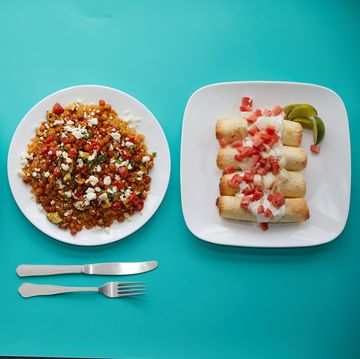
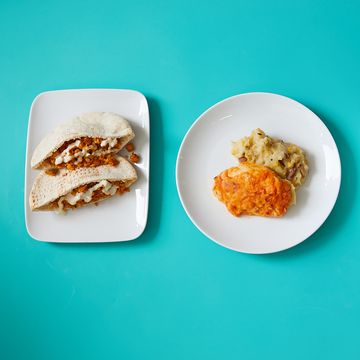
Downsize your dishesHere's a good reason to use the smaller versions of your everyday plates, bowls and flatware: People tend to serve themselves much more food when given large bowls and spoons, according to a study in the American Journal of Preventive Medicine.
Watch the glasses, too: Studies at the Food and Brand Lab at the University of Illinois at Urbana-Champaign found that when people used short, wide glasses, they poured 76 percent more soda, milk or juice than when they used tall, slender ones.
Keep your best tools handySome appliances make it a snap to whip up healthy low-fat meals; keep them on your kitchen counter within easy reach, recommends John Hernried, M.D., medical director for the Obesity Treatment Center Medical Group in Sacramento, Calif. Equipment to have on hand:
- a Crock-Pot that will have dinner ready when you get home from work (and prevent you from snacking while cooking or ordering in)
- a blender for making smoothies and low-fat soups
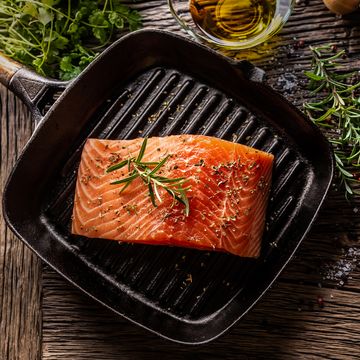
- an indoor grill (such as a George Foreman) for healthy grilling
- a salad spinner that takes the drudgery out of washing greens.
As long as you're rearranging your kitchen, move that deep fryer and ice cream maker to an out-of-the-way place.
Shed light on your mealsLet plenty of light into your kitchen or dining area by switching to higher-wattage light bulbs, turning on the overhead lights and opening the curtains whenever you can. Dr. Hernried points out that we tend to eat more in darkened rooms (bucket of popcorn and pound of Milk Duds at the movies, anyone?), where inhibitions are lowered.
Bonus: Bright light improves your mood, so you'll be less likely to nosh when you feel blue.
Avoid the color of hungerStudies show that being in a room that is predominantly red or orange stimulates appetite, notes color researcher Leatrice Eiseman, author of More Alive With Color. But there's no need to ban them altogether, she says: They'll have no impact on appetite if they're used as accents in small doses, like an orange oven mitt or a red place mat.
Bonus: Stash a measuring cup next to the whole grains and pastas in your pantry so that you readily control portion sizes.
Create a gallery of gorgeousnessHang fabulous pictures of yourself in your "skinny" jeans and helpful affirmations on the front of your fridge. (Don't worry, there will still be room for your kids' artwork!) Studies show that surrounding yourself with inspiring pictures and words goes a long way toward helping you reach your goals, says Dawn Jackson Blatner of Northwestern Memorial Hospital in Chicago. And there's no better time to remind yourself of these goals than when you're about to overeat.
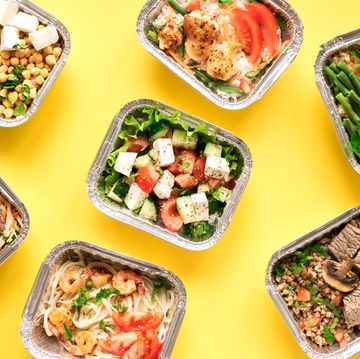
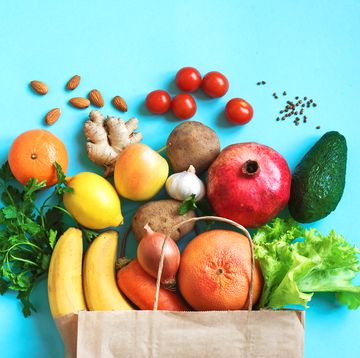
Hide the Ho HosGive healthy foods the best real estate, and you'll be more likely to eat better. A University of Illinois study found that when Hershey's Kisses were placed in a slightly inconvenient spot (inside a desk drawer), secretaries ate 25 percent less than when the sweets were nearby in plain sight. What does that mean for you? Put washed and sliced fruits and veggies in clear bowls, plastic bags or containers at eye level in the fridge (or in a pretty bowl on the table). Then stash full-fat items and junk food in the crisper drawer or store in opaque wrappers, like aluminum foil and waxed paper, or solid plastic containers. Out of sight, out of mouth.
Think smallDo yourself a favor and repackage snack foods into
100-calorie portions (or buy them prepackaged) as soon as you get them home. People have a built-in tendency to eat and finish eating a single portion of food, regardless of its size or calorie value, according to a recent study in the journal Psychological Science. Make the portion smaller and you'll eat less. Or at least you'll have to make a conscious decision to go for a second helping.
Table it
No more "TV dinners" on the sofa sit down with the family at the table, which helps all of you consume fewer sodas and fried foods, and eat more fruits and veggies, according to a study in the Archives of Family Medicine. Not all TV dinners are unhealthy. Try Good Housekeeping's
toaster oven recipes and microwave meals.
If there's a TV near where you eat, keep it turned off during meals. Research says that watching TV makes it difficult to tune into your body's "I'm full" signals, which may contribute to overeating.
Get veggie-friendly
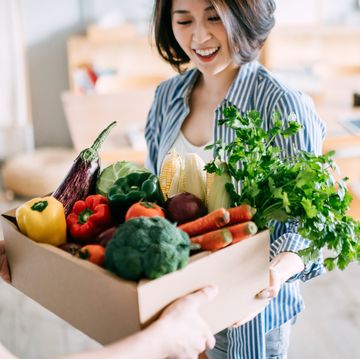
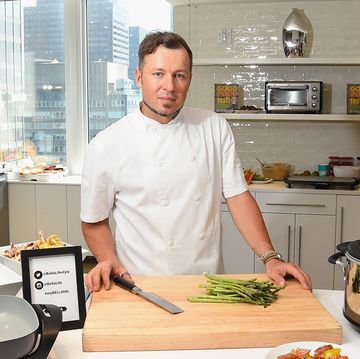
To make it easier to snack on healthy fare, make it ready to eat the moment you bring it home, recommends Blatner. For instance, wash and chop your carrots and green beans right away, or buy the prewashed, precut variety. This way, when the urge to munch strikes, there will be no prep work standing in your way. Keep a cutting board out on the counter to make short work of slicing and dicing waist-whittling fruits and veggies.